Voces De Resistencia
Following the end of the Salvadoran Civil War, the voices of survivors were silenced. This was not an accident, but by design. The Salvadoran government’s legal proceedings excluded civilian accounts, and the circulated narratives that followed the end of the war only served to protect those who held power.
Now, despite the fear they have carried for decades, the men and women who lived through the violence of the war share their testimonios.
These stories of survival, grief, resistance, and liberation that have endured against every effort to erase them are shared here. Our community members offer their voices with the desire of ensuring that the true accounts of the Salvadoran Civil War are never forgotten again.
Gloria Fisher
"Entonces yo pienso que es bien importante nunca olvidar. No podemos olvidar. Ese es mi mensaje."
"So I think it is very important to never forget. We cannot forget. That is my message."

Gloria Fisher
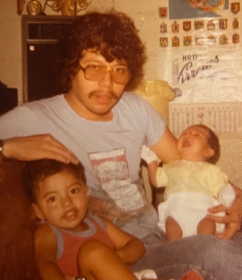
Kamilo Morales
"Hoy ya no me pueden silenciar. Hace 30, 35 años, 40 años, intentaron."
"Today they can no longer silence me. 30, 35 years ago, 40 years ago, they tried."
Kamilo Morales
Watch
A curated selection of documentaries, films, and footage on the Salvadoran Civil War. These educational sources include journalistic accounts, testimonios, and historical records.
Short Videos
6:00
26:38
20:04
9:32

13:32
5:01
10:50
13:42
Diana Sierra Becerra shares the story of Radio Venceremos, an underground radio led by the Farabundo Martí National Liberation Front (FMLN). The FMLN used this radio as a tool to broadcast news, counter the narrative being spread by the Salvadoran government, and organize resistance throughout the country. Throughout the duration of the war, the Salvadoran military consistently tried to locate and destroy it.
This documentary investigates the 1981 El Mozote Massacre in El Salvador and the events that followed. The film presents evidence uncovered by journalists and investigators, revealing that both the Salvadoran and United States governments downplayed what occurred in their official accounts. Despite forensic confirmation of the massacre, survivors and families continue to fight for recognition and justice today.
This video explores the Farbundo Martí National Liberation Front (FMLN) and their “liberated” zones at the height of the civil war. By interviewing a variety of members within the FMLN, it humanizes the people who lived and worked in those communities during the conflict.
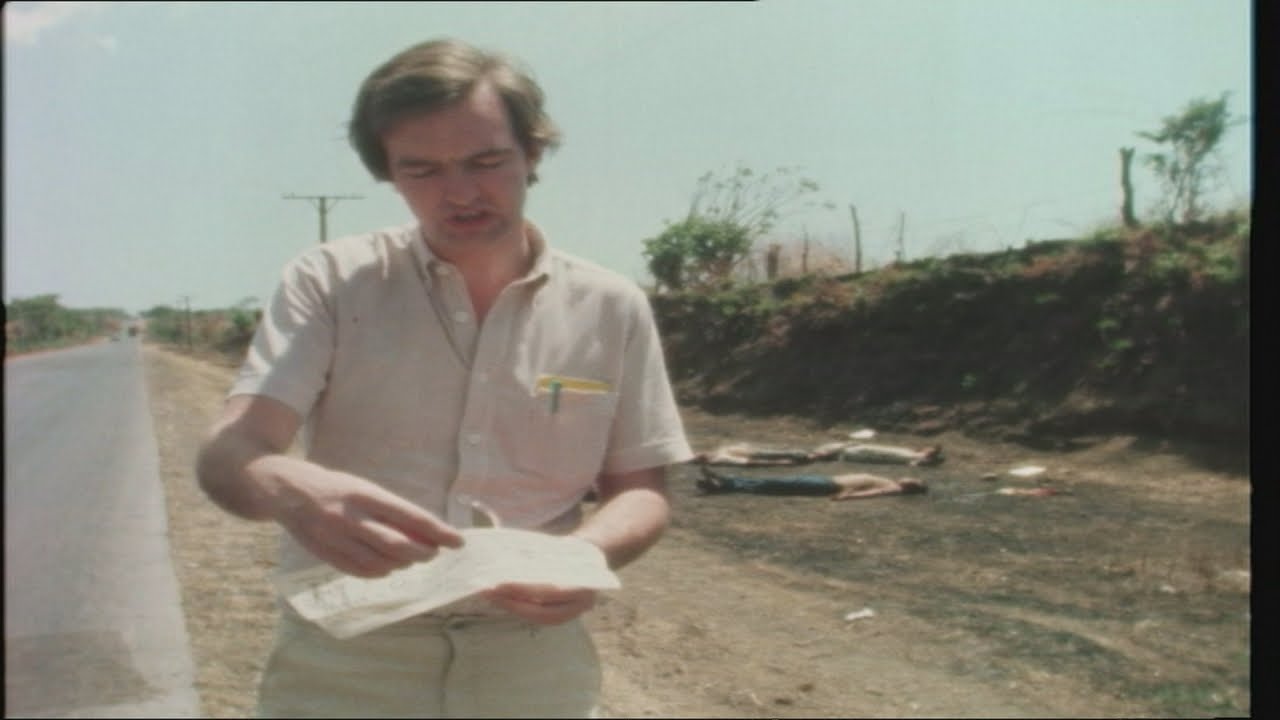
Jon Snow reports first hand from the front lines of the Salvadoran Civil War. He documents the conflict as it unfolds and captures the brutal reality faced by all parites impacted.
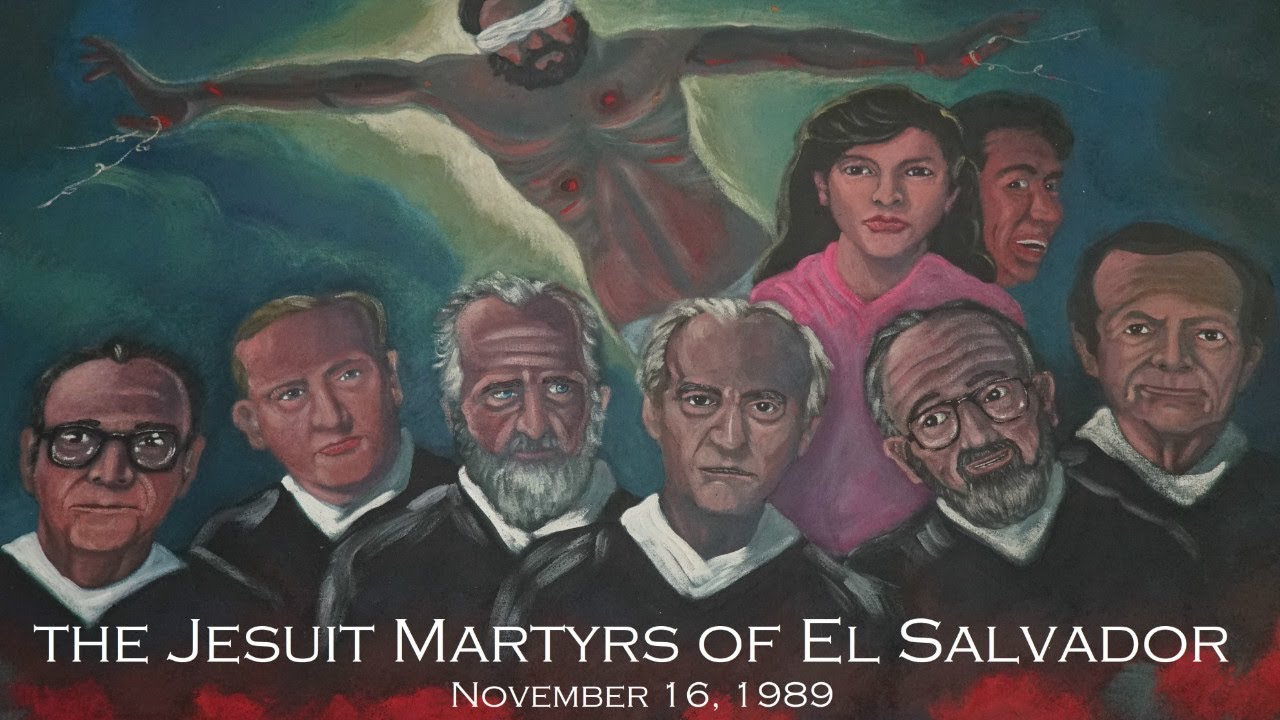
In 1980, four American churchwomen were killed in El Salvador and left in a shallow grave. This documentary uncovers the story behind the United States’s investigation, exposed what specifically the U.S was funding during the Salvadoran Civil War, and the long fight for justice that followed.
In 1980, four American churchwomen were killed in El Salvador and left in a shallow grave. This documentary uncovers the story behind the United States’s investigation, exposed what specifically the U.S was funding during the Salvadoran Civil War, and the long fight for justice that followed.
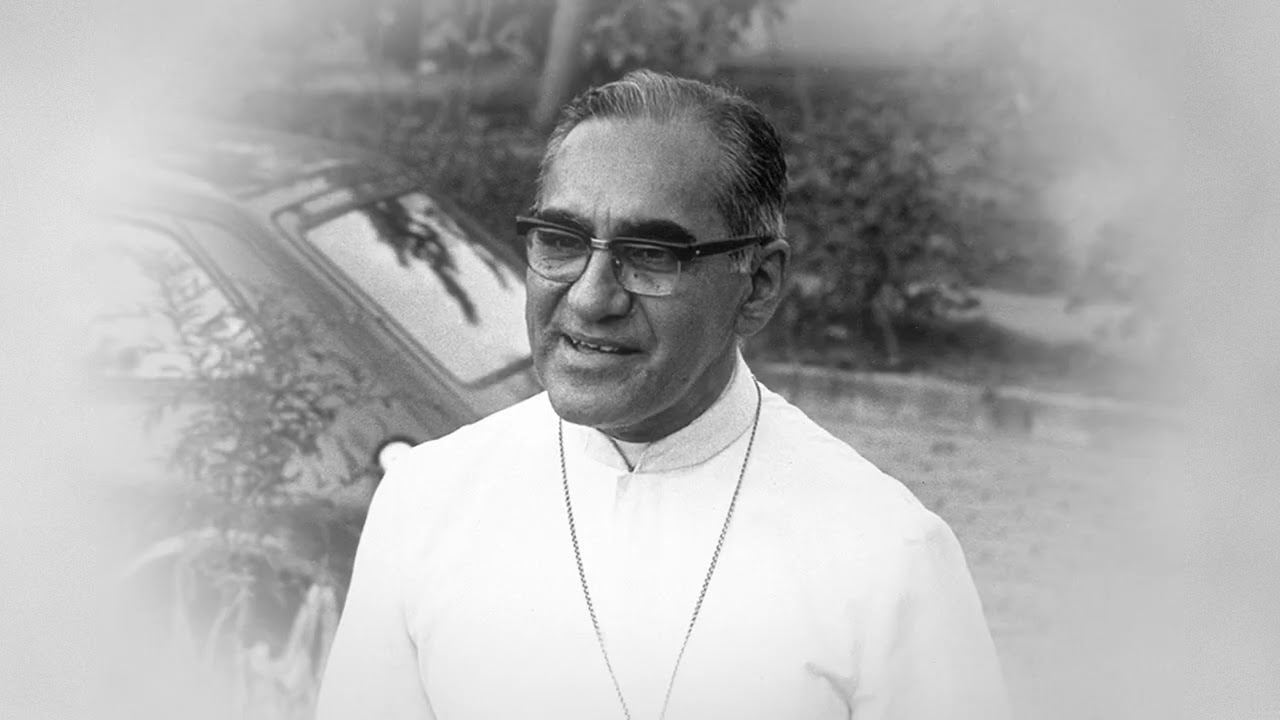
Lupe and Oscar journey through historic sites and time to learn more about the life and legacy of Monseñor Óscar Arnulfo Romero, a human rights activist and Archbishop who spoke out for the poor and oppressed during the Salvadoran Civil War.
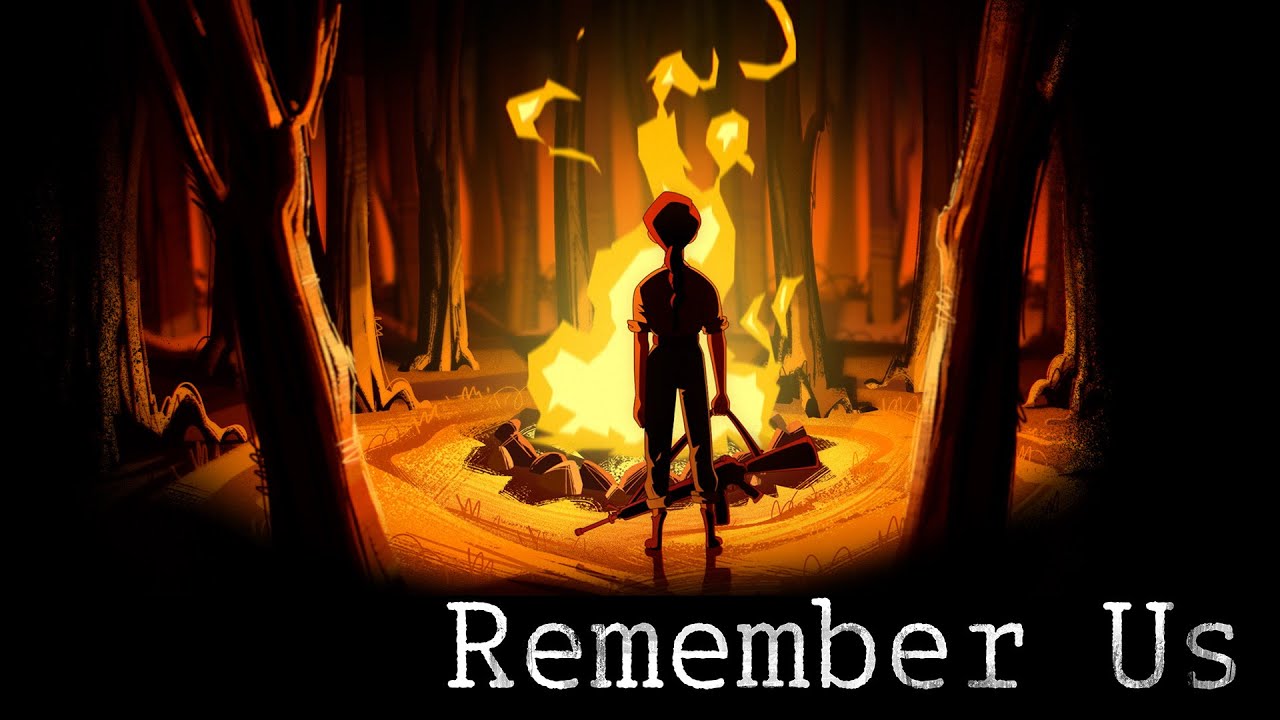
Remember Us is a short, animated film that follows a journalist as he documents the experiences of 3 individuals who lived through the Salvadoran Civil War. The fim explores themes of loss, violence, and hope in the aftermath of the conflict.
Films
3:31
1:50:49
57:11
20:04
26:12
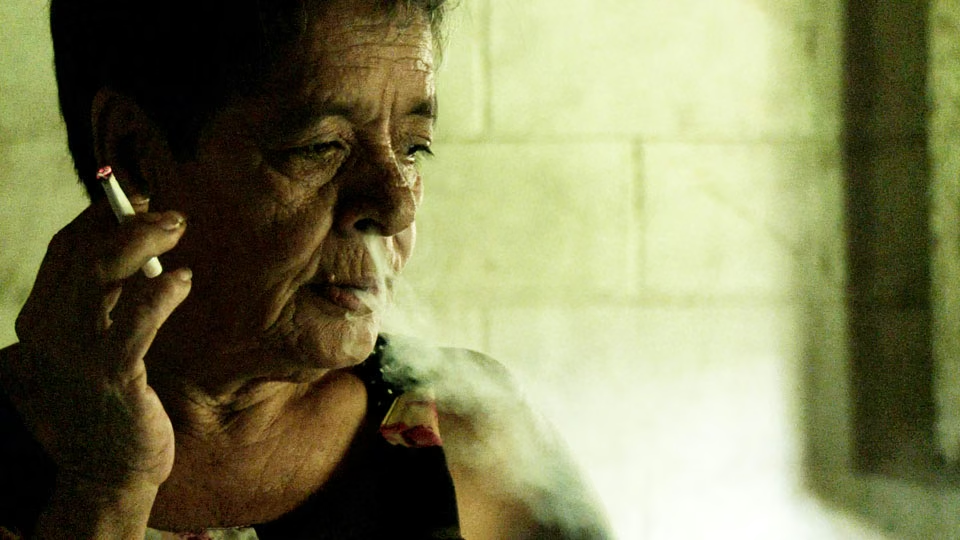
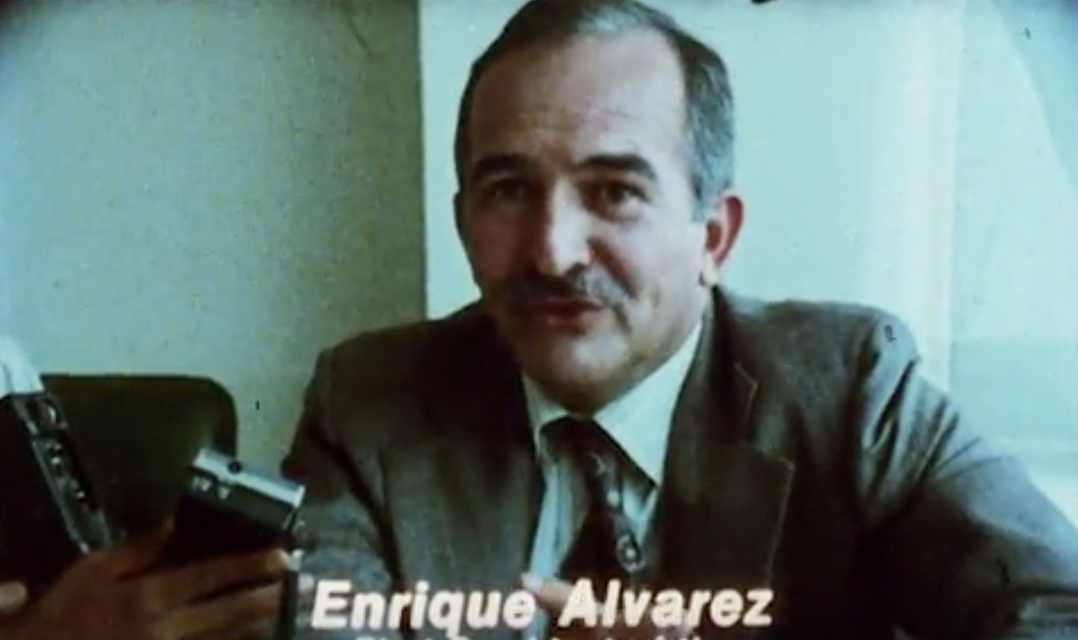
Cinquera was a small pueblo in the department of Cabañas, El Salvador. During the Salvadoran Civil War, villagers escaped. When the survivors returned, they found that Cinquera had been wiped off the map.This documentary follows those who chose to return to the community and rebuild. Told through their own voices and memories, The Tiniest Place is a film that discusses loss, resistance, and the fight for the right to return home. Watch Full Film (2:00:00 Run Time)
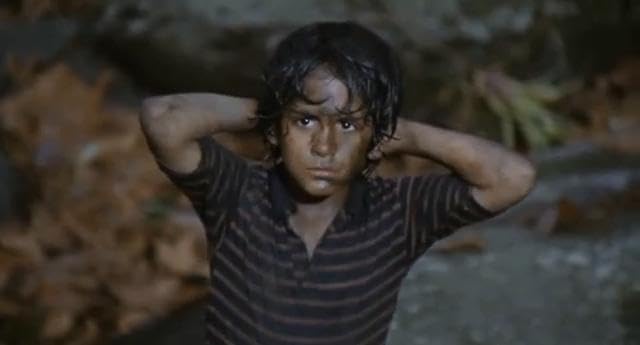
During the Salvadoran Civil War, the Salvadoran army kidnapped young children during raids to add numbers to its ranks. This film follows Chava, an 11-year-old boy attempting to hold onto his youth while the war is occurring around him. Based on a true story and told through the perspective of a child, it remains one of the most powerful and widely seen films about the conflict.
Film is rated R.
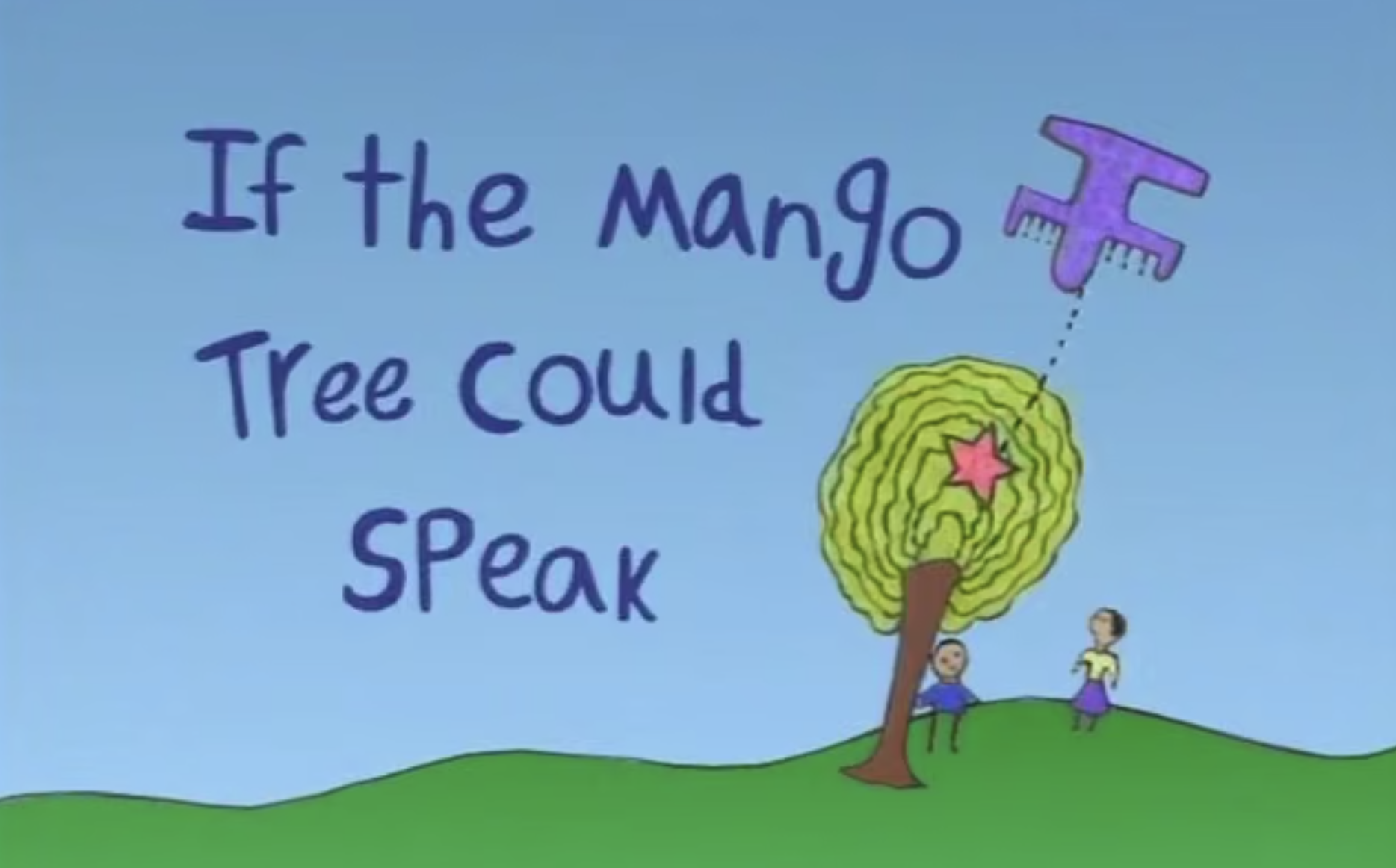
Ten boys and girls between the ages of 12 and 15 share their experiences growing up in the midst of the civil war in Guatemala and El Salvador. This film takes a different approach, choosing to center the voices of the children and their resilience in the face of war.
Part 1
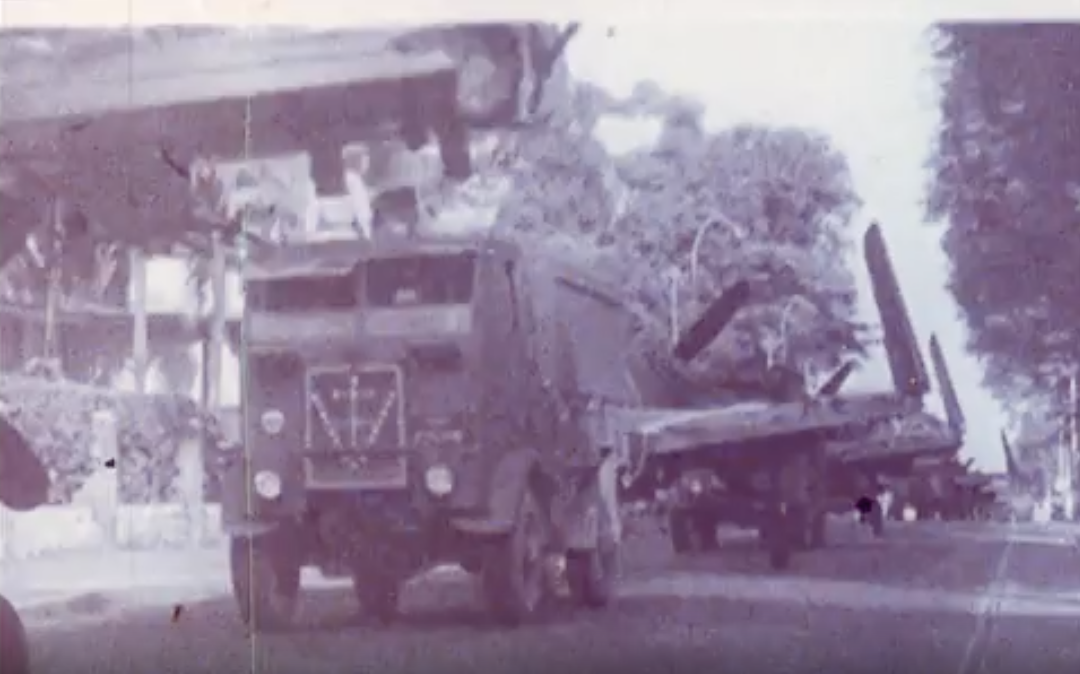
Archival footage and interviews from both sides of the Salvadoran Civil War paint a vivid picture of El Salvador’s Civil War. This documentary examines how U.S. economic policy funded the war and begs the question: Was U.S. involvement repeating the same mistakes it made in Vietnam?
Part 2
Archival footage and interviews from both sides of the Salvadoran Civil War paint a vivid picture of El Salvador’s Civil War. This documentary examines how U.S. economic policy funded the war and begs the question: Was U.S. involvement repeating the same mistakes it made in Vietnam?
Read
A curated collection of books, articles, and primary sources on the Salvadoran Civil War. These selections offer a range of perspectives, from political analysis to firsthand accounts.
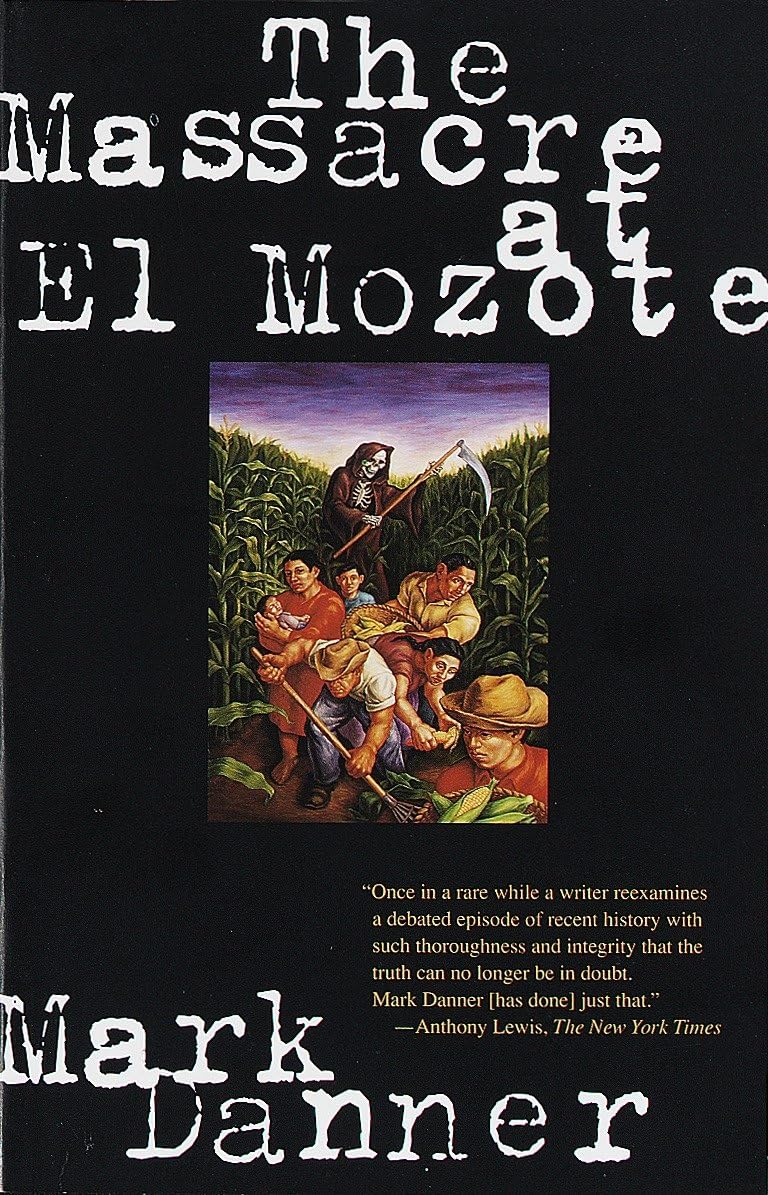
The Massacre at El Mozote
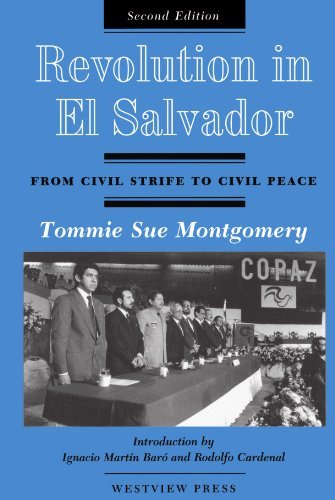
Revolution in El Salvador: From Civil Strife to Civil Peace (Second Edition)
El Salvador's Civil War: A Study of Revolution
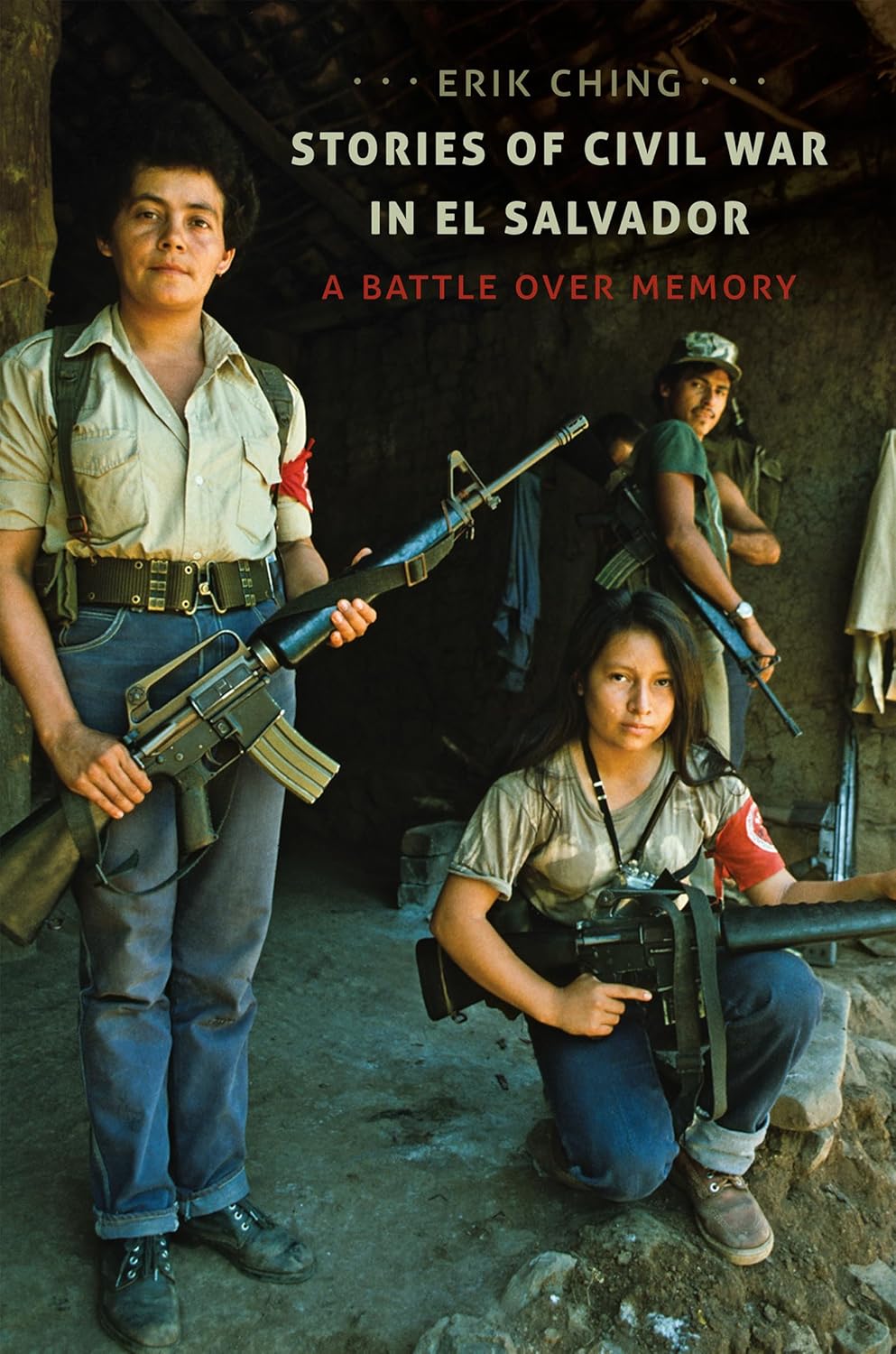
Stories of Civil War in El Salvador: A Battle over Memory
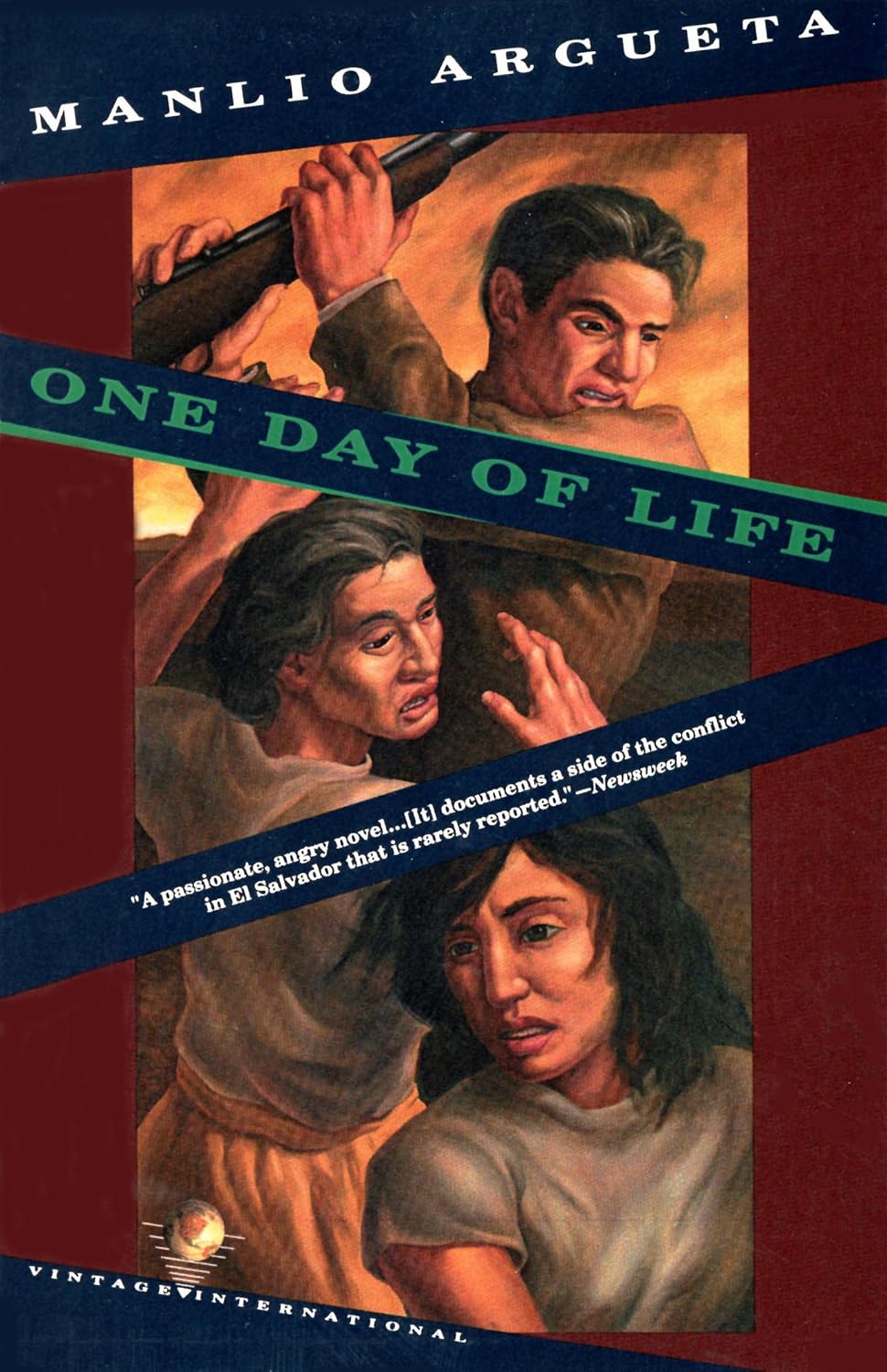
One Day of Life (fiction)
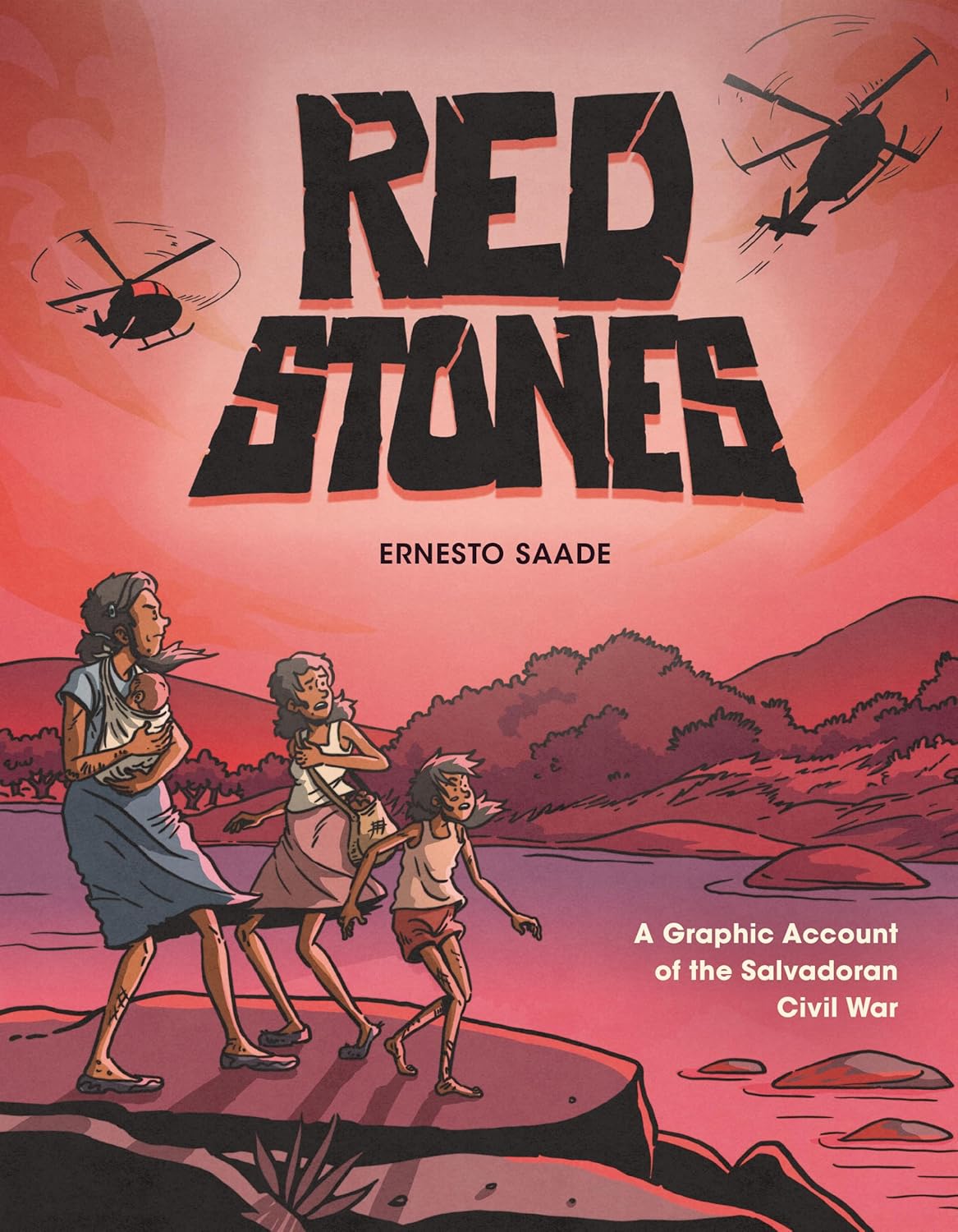
Red Stones: A Graphic Account of the Salvadoran Civil War
Contact
 Genesis Morales is a doctoral student in the International and Multicultural Education program at the University of San Francisco. Shaped by the untold stories of the Salvadoran Civil War within her own family, her research centers the testimonios of survivors who were not politically affiliated with either side of the conflict. These are the voices that have long been silenced in the dominant historical and political narratives perpetuated by both the Salvadoran and United States governments.
Grounding her work in critical consciousness (conscientização) and liberation psychology, Genesis uses testimonios to humanize research in a way that honors the complexity of each person’s lived experience. Her work is a labor of love. By supporting in bringing these voices to the forefront of history, she offers this space and her work as a site of healing and liberation for those who have long carried their own stories in silence. She hopes this work will serve as a teaching tool for future generations searching for the truth of what actually occurred during the Salvadoran Civil War, just as she once did.
About the Salvadoran Civil War
The Salvadoran Civil War, fought from 1980 to 1992, grew out of generations of profound inequality. A small landholding elite, backed by a military that protected their interests, held power over a rural majority that had little access to land, education, or political voice. By the late 1970s, peaceful efforts at reform — labor organizing, peasant cooperatives, the work of priests inspired by liberation theology — were met with escalating state violence. The 1980 assassination of Archbishop Óscar Romero, gunned down at the altar after pleading with soldiers to stop killing their own people, marked a point of no return. That same year, five guerrilla organizations united as the Frente Farabundo Martí para la Liberación Nacional (FMLN) and took up arms against the government.
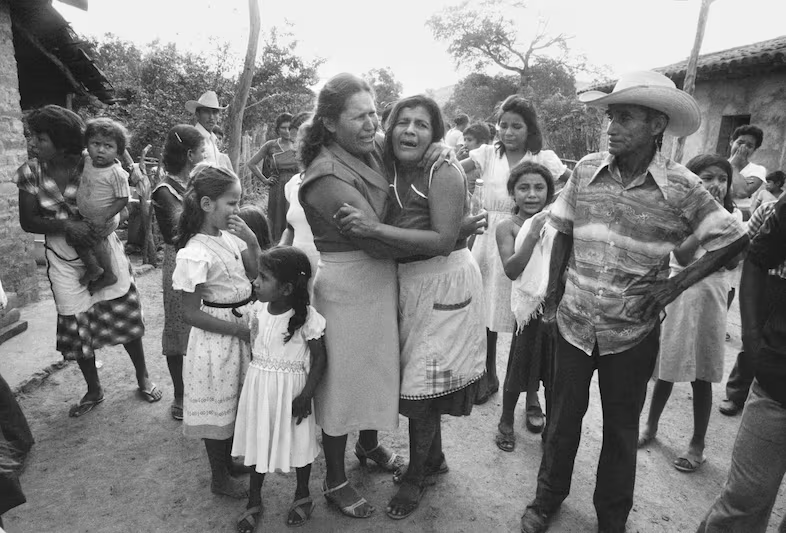
What followed was twelve years of conflict in which the civilian population, especially in the rural north and east, bore the heaviest cost. The Salvadoran armed forces — trained, funded, and equipped with billions of dollars in support from the United States — carried out counterinsurgency campaigns that swept through entire villages. Massacres at El Mozote, the Sumpul River, and El Calabozo, along with countless smaller killings, took the lives of thousands of unarmed people, including children. Death squads operated openly, abducting students, catechists, union members, and journalists. By the war’s end, an estimated 75,000 Salvadorans had been killed and roughly a million more displaced. The United Nations Truth Commission would later attribute about 85 percent of documented human rights violations to state forces and allied paramilitaries.
The Chapultepec Peace Accords, signed in January 1992, formally ended the fighting and brought the FMLN into political life as a legal party. But peace did not bring accountability. When the Truth Commission published its report, From Madness to Hope, in 1993 — naming military officers and death squad leaders responsible for some of the worst crimes of the war — the Salvadoran legislature responded within five days by passing a sweeping General Amnesty Law that shielded nearly every perpetrator from prosecution. Investigations were closed, records were sealed, and the civilian dead became, in the official telling, statistics without authors.
That silence has held for more than thirty years. Even after El Salvador’s Supreme Court struck down the Amnesty Law in 2016, prosecutions have stalled, witnesses have been intimidated, and many of those most responsible have died untouched by justice. The history preserved in textbooks and political speeches is, by design, a history without survivors. The testimonios gathered here refuse that erasure. They are records kept by the people who were there — who lost children, who buried neighbors, who walked for days to reach safety, who organized in clandestine meetings, who returned to rebuild — and they are offered now in the conviction that what was done to El Salvador’s civilian communities must be remembered in their own words.